

If an animal is loose in your living area or you suspect venomous wasps or active termite swarms, do not disturb the nest or try DIY chemical foggers. Call our Melville technicians directly at (321) 496-4080 for 24/7 emergency dispatch.
Immediate commercial triage requires zero panic, prompt physical isolation of droppings, and professional emergency dispatch. The Suffolk County Department of Health Services and NYC DOHMH consider visible rodent droppings or gnaw marks a critical violation that can shut down operations. Do not deploy loose poison baits that cause rodents to die in inaccessible ceiling voids. Call (321) 496-4080 for rapid commercial trapping and written IPM documentation.
In This Guide (Table of Contents)
- 01.Emergency Restaurant Triage: Understanding Health Department Point Deductions
- 02.Forensic Kitchen Inspection Hotspots: Behind Compressors, Under Fryers, and Mop Sink Drains
- 03.Rapid Containment Grids: Mechanical Snap Traps, Glue Monitors, and Zero-Bait Triage
- 04.Biohazard Cleanup Protocol: Disinfecting Droppings Without Airborne Contamination
- 05.Critical Structural Exclusion: Sealing Utility Penetrations with Copper Mesh and Silicone
- 06.Audit-Ready Documentation: Preparing NYSDEC-Compliant IPM Logbooks for Health Inspectors
- 07.Frequently Asked Questions
Emergency Restaurant Triage: Understanding Health Department Point Deductions
In commercial food service, few events trigger greater anxiety than spotting a house mouse (Mus musculus) or Norway rat (Rattus norvegicus) on the kitchen floor hours before a health inspection. Under the sanitary inspection codes enforced by the Suffolk County Department of Health Services, Nassau County Department of Health, and New York City DOHMH, evidence of active vermin is classified as a critical violation.
In New York, finding rodent droppings, nesting material, or gnawed food products automatically incurs significant violation points. Accumulating critical violations leads directly to public grade downgrades, costly administrative re-inspection hearings, or immediate summary suspension of your food service operating permit.
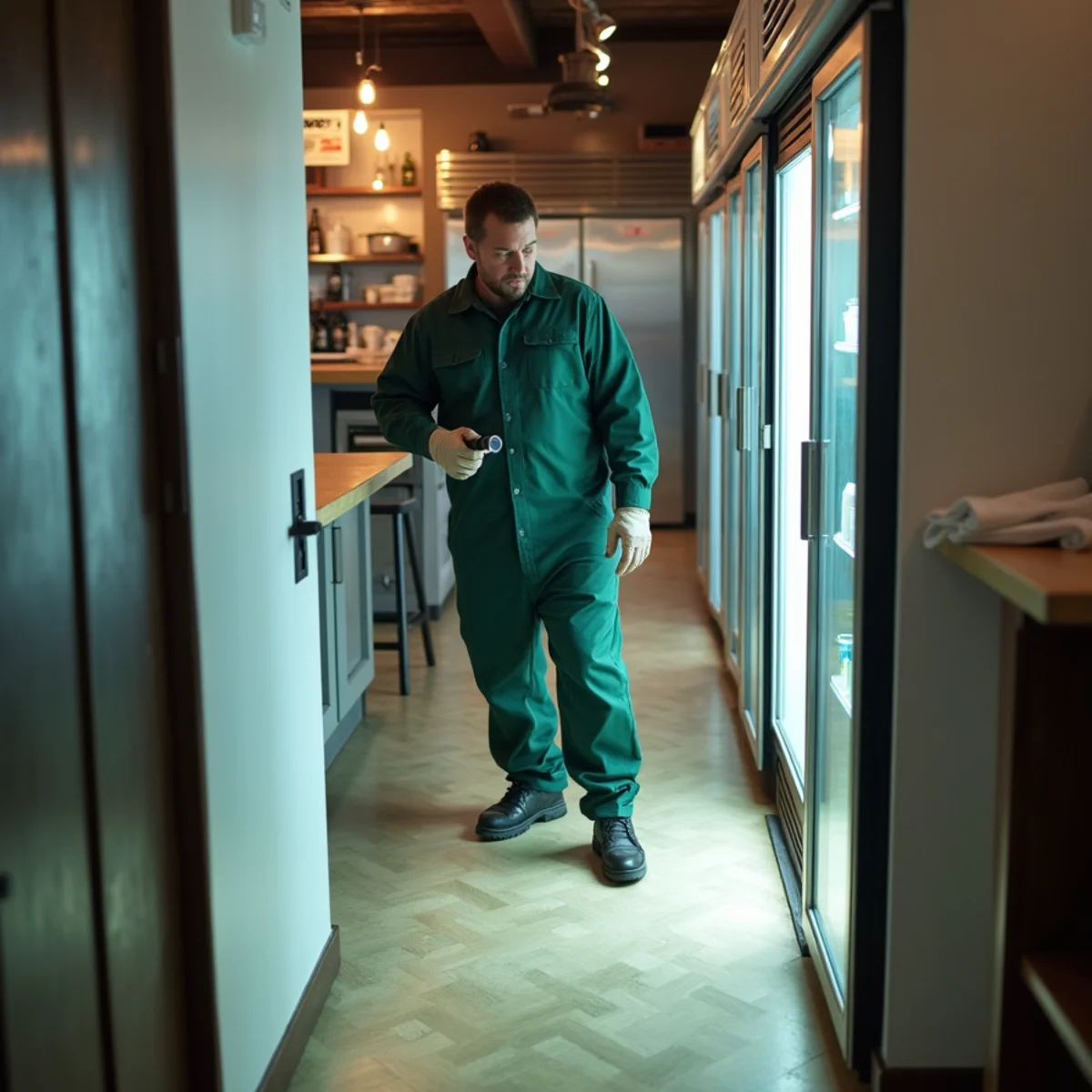
Forensic Kitchen Inspection Hotspots: Behind Compressors, Under Fryers, and Mop Sink Drains
Health inspectors follow predictable inspection paths honed by years of commercial auditing. When preparing for an imminent inspection, focus intense cleaning and trapping efforts on these primary high-risk zones:
1. Commercial Refrigeration Compressors: The warm exhaust air from walk-in coolers and reach-in compressors provides ideal nesting warmth. Rodents nest directly inside dust-covered motor housings.
2. Beneath Heavy Cooking Equipment: Accumulated grease, stray French fries, and flour dust behind flat-top grills and deep fryers provide endless calories.
3. Mop Sink & Dishwashing Stations: Unsealed drain floor sinks, leaking water lines, and damp mop heads supply essential drinking water.
4. Suspended Acoustic Ceiling Grids: Rodents use ceiling track grids as aerial highways, traveling unseen between dining rooms, kitchens, and shared wall voids.
Rapid Containment Grids: Mechanical Snap Traps, Glue Monitors, and Zero-Bait Triage
In commercial food handling areas, chemical rodenticides are strictly prohibited by FDA food safety codes and NYSDEC pesticide regulations. Deploying toxic baits inside kitchens risks cross-contaminating prep surfaces and food ingredients.
Instead, commercial triage relies on intensive mechanical trapping grids. Sayonara Pest Control installs heavy-duty wooden and plastic snap traps placed in pairs along wall perimeters, with triggers facing outward along rodent travel rub-marks. We supplement with low-profile tamper-resistant glue board monitors placed behind equipment to verify whether activity is localized or widespread.
Biohazard Cleanup Protocol: Disinfecting Droppings Without Airborne Contamination
Cleaning up rodent droppings incorrectly can expose kitchen staff to pathogens such as Salmonella, Leptospira, and Lymphocytic Choriomeningitis Virus (LCMV). Never use dry brooms or standard vacuums to sweep up rodent droppings, as sweeping aerosolizes dried feces and urine particles into the kitchen air.
Our certified protocol mandates saturation spraying of all affected surfaces using an EPA-registered hospital-grade quaternary disinfectant. Allow a 10-minute wet dwell time before wiping droppings away with disposable paper towels, followed by hot soapy water scrubbing and sanitization.
Critical Structural Exclusion: Sealing Utility Penetrations with Copper Mesh and Silicone
Mice possess flexible skeletal structures, allowing juvenile mice to squeeze through openings as narrow as 1/4 inch—roughly the diameter of a standard ballpoint pen. Common entry vectors in commercial strip malls and free-standing restaurants include gaps around soda syrup beverage lines, floor drain cleanouts, electrical junction conduits, and worn rear delivery door sweeps.
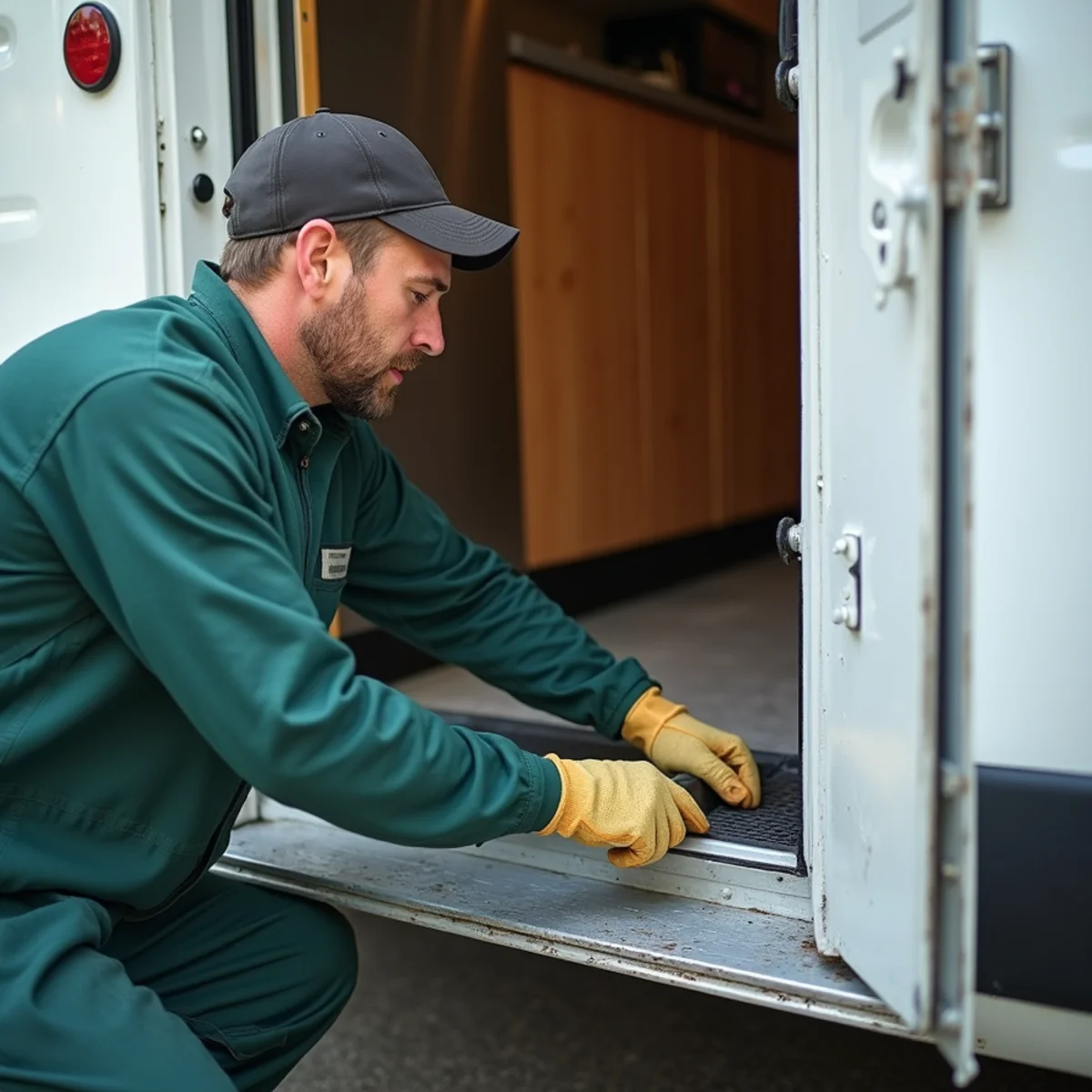
We install chew-proof Xcluder stainless steel wire fabric or copper mesh packed tightly into all utility wall voids, sealed with industrial silicone. We also install heavy-duty aluminum and nylon brush door sweeps along delivery bay loading docks to physically bar outside intrusion.

Audit-Ready Documentation: Preparing NYSDEC-Compliant IPM Logbooks for Health Inspectors
When a health inspector notices a minor pest observation, the deciding factor between a passing score and a crippling citation is your commercial pest management documentation. An inspector wants to see an active contract with a licensed NYSDEC commercial pesticide business demonstrating ongoing Integrated Pest Management.
Sayonara Pest Control provides every commercial account with an official on-site Service Logbook containing our NYSDEC commercial business registration, technician certification cards, SDS chemical safety data sheets, dated service inspection tickets, trap placement schematics, and documented corrective action logs.
Pre-Inspection Emergency Commercial Rodent Triage
- ✓Do not place loose rodenticide pellets: Poison baits in commercial food areas violate health codes and cause rodents to die inside hot walls.
- ✓Deep clean hidden grease zones: Scrub behind fryers, refrigeration compressor coils, and beneath dishwashing stations to eliminate food attractants.
- ✓Seal utility penetrations immediately: Pack stainless steel copper mesh into gaps around gas lines, beverage conduits, and electrical conduit entrances.
- ✓Deploy professional mechanical snap traps: Place traps perpendicular along baseboards, food storage perimeters, and suspended drop-ceiling grids.
- ✓Document all sanitation corrective actions: Maintain detailed written logs showing proactive correction of moisture, food debris, and structural gaps.
- ✓Obtain certified commercial exterminator service records: A valid NYSDEC pest control contract and up-to-date logbook demonstrates compliance to health inspectors.
Advice from Our Melville Field Operators
When a restaurant owner along Route 110 or in Huntington spots a mouse 24 hours before a scheduled county health inspection, their initial impulse is to buy retail poison pellets and scatter them across the kitchen floor. That is the fastest way to get a restaurant shut down with an immediate C-grade or red suspension placard. Health department inspectors search specifically for rodent droppings, gnaw marks on food packaging, and illegal pesticide applications. Our commercial response team sets dozens of hidden, un-baited mechanical snap traps along high-speed runways, seals pipe penetrations, and supplies an official, audit-ready IPM inspection logbook.
Frequently Asked Questions
Can an inspector shut down my restaurant for finding one mouse?
While an isolated sighting may result in a heavy point deduction rather than immediate closure, discovering multiple droppings in food preparation areas, unsealed food packaging with gnaw marks, or live vermin during food prep can trigger immediate operational suspension until a re-inspection passes.
Why shouldn't I use rodent bait pellets in my commercial kitchen?
Using loose rodenticide pellets in food preparation or storage areas violates health department sanitary codes and federal FDA regulations. Furthermore, poisoned mice crawl into inaccessible walls to die, causing horrific decomposition odors that drive dining customers away.
How quickly can Sayonara Pest Control set up an emergency commercial trapping grid?
We maintain 24/7 priority commercial dispatch for food service establishments across Melville, Huntington, Farmingdale, and throughout Nassau and Suffolk counties. We can be on-site within hours to trap, sanitize, and supply certified documentation.
What is the best way to keep mice from entering delivery doors?
Install heavy-duty commercial door sweeps featuring reinforced steel plate backing and dense nylon brush filaments along the bottom of all exterior exit and delivery doors. Ensure the sweep makes flush contact with the threshold plate with zero gaps.
About Sayonara Pest Control
Based at 445 Broadhollow Rd, Suite 25 in Melville, NY, Sayonara Pest Control provides licensed extermination and humane wildlife trapping across Suffolk County, Nassau County, and NYC. Our focus is root-source elimination through Integrated Pest Management.