

If an animal is loose in your living area or you suspect venomous wasps or active termite swarms, do not disturb the nest or try DIY chemical foggers. Call our Melville technicians directly at (321) 496-4080 for 24/7 emergency dispatch.
Keep the fireplace damper and glass doors closed immediately to prevent the bird from escaping into your living room. Turn off interior lights, open a single exterior window facing sunlight, and never light a fire or use smoke to force the bird out, as closed dampers cause deadly carbon monoxide buildup. Call our Melville wildlife specialists at (321) 496-4080 for safe extraction and stainless steel chimney cap installation.
In This Guide (Table of Contents)
- 01.Immediate Safety Rules: Flue Anatomy and Why Smoke Is Never the Answer
- 02.Identifying the Intruder: Chimney Swifts vs. European Starlings on Long Island
- 03.Step-by-Step Safe Extraction Protocol from the Firebox
- 04.Health and Sanitation Hazards: Histoplasmosis, Bird Mites, and Flue Odors
- 05.Preventing Future Intrusions: Heavy-Duty Spark Arrestors and Stainless Steel Chimney Caps
- 06.Seasonal Nesting Timing and Federal Migratory Bird Treaty Act Protections
- 07.Frequently Asked Questions
Immediate Safety Rules: Flue Anatomy and Why Smoke Is Never the Answer
Hearing frantic fluttering, scratching, or chirping behind your fireplace damper indicates an animal is trapped in a hazardous position. Long Island chimneys with smooth clay flue tiles or stainless steel stove inserts act as natural pitfall traps for birds seeking warm roosting cavities. When a bird loses its footing near the chimney top, it slides down the vertical chute and lands on the horizontal smoke shelf located just behind the damper flap.
The most dangerous mistake a homeowner can make is lighting a fire or burning paper in the hearth. Because the trapped bird or accumulated nesting debris often blocks drafting, smoke and lethal carbon monoxide cannot exhaust upward and will flood directly into your living room. Furthermore, burning an animal creates an unbearable biohazard odor that saturates porous chimney bricks for months.
Identifying the Intruder: Chimney Swifts vs. European Starlings on Long Island
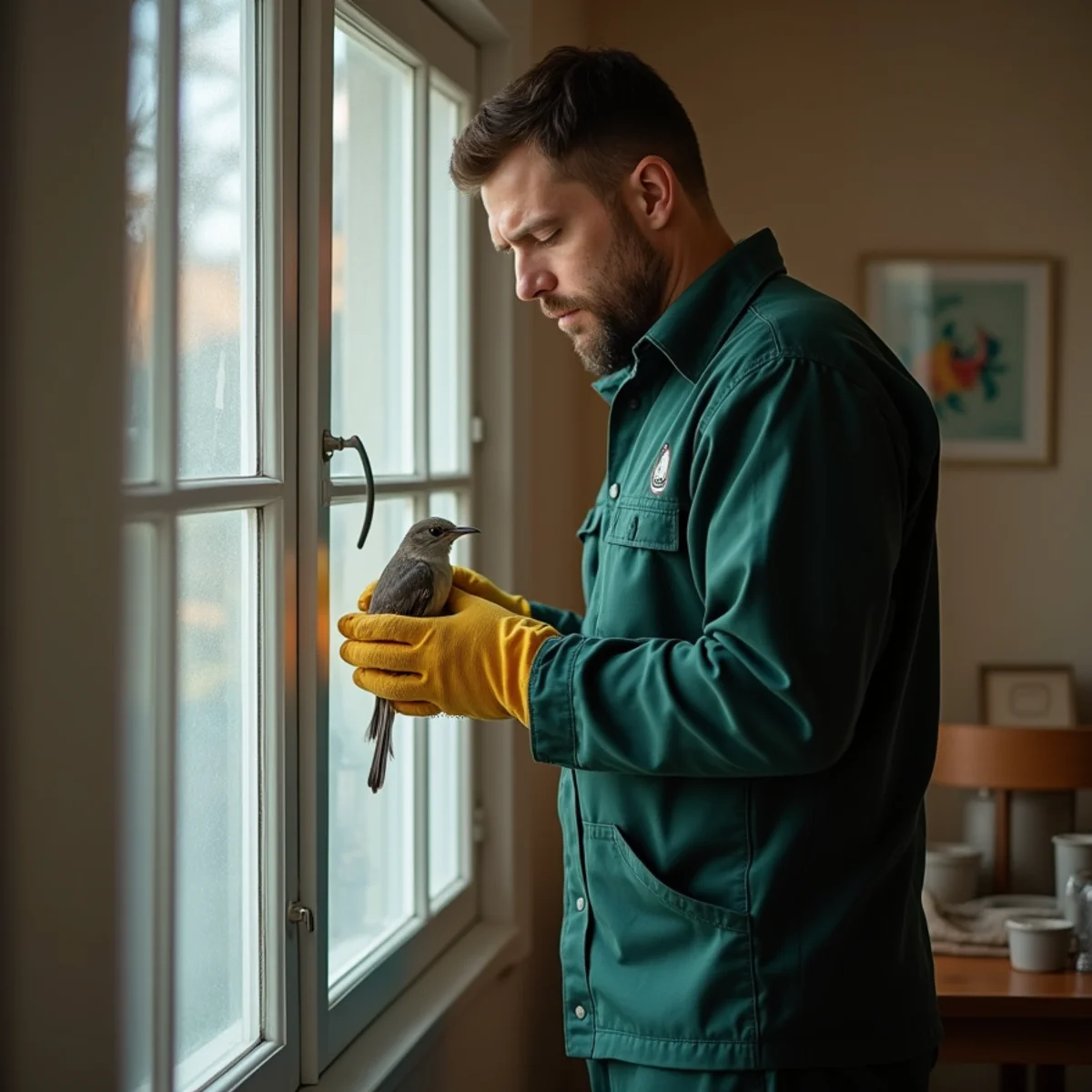
Two species represent over 90% of fireplace intrusions across Nassau and Suffolk counties: the Chimney Swift (Chaetura pelagica) and the European Starling (Sturnus vulgaris). Chimney swifts have specialized suction-like claws adapted for clinging vertically to rough masonry. They migrate to Long Island each spring from South America and deliberately build half-cup saliva nests against chimney flue walls.
Conversely, European starlings, sparrows, and pigeons cannot cling to smooth chimney tiles. They explore open flue crowns seeking warmth in early spring and accidentally tumble downward. Knowing the species dictates the legal and physical extraction strategy.
Step-by-Step Safe Extraction Protocol from the Firebox
If the bird has already fallen past the throat damper into the lower firebox, follow this controlled extraction procedure:
Step 1: Darken the living room completely. Close curtains, lower window blinds, and extinguish all indoor lamps.
Step 2: Open a single large exterior door or window located closest to the fireplace that leads directly outside into open daylight. Birds naturally fly toward sunlight.
Step 3: Put on heavy leather gloves and safety glasses to shield your eyes from flapping wings and soot.
Step 4: Slowly unlatch the fireplace glass doors with a large bath towel held out like a blanket in front of your chest.
Step 5: Gently toss the towel over the grounded bird, bundle it securely without applying crushing pressure to the breastbone, carry it outside, and release it in your backyard.
Health and Sanitation Hazards: Histoplasmosis, Bird Mites, and Flue Odors
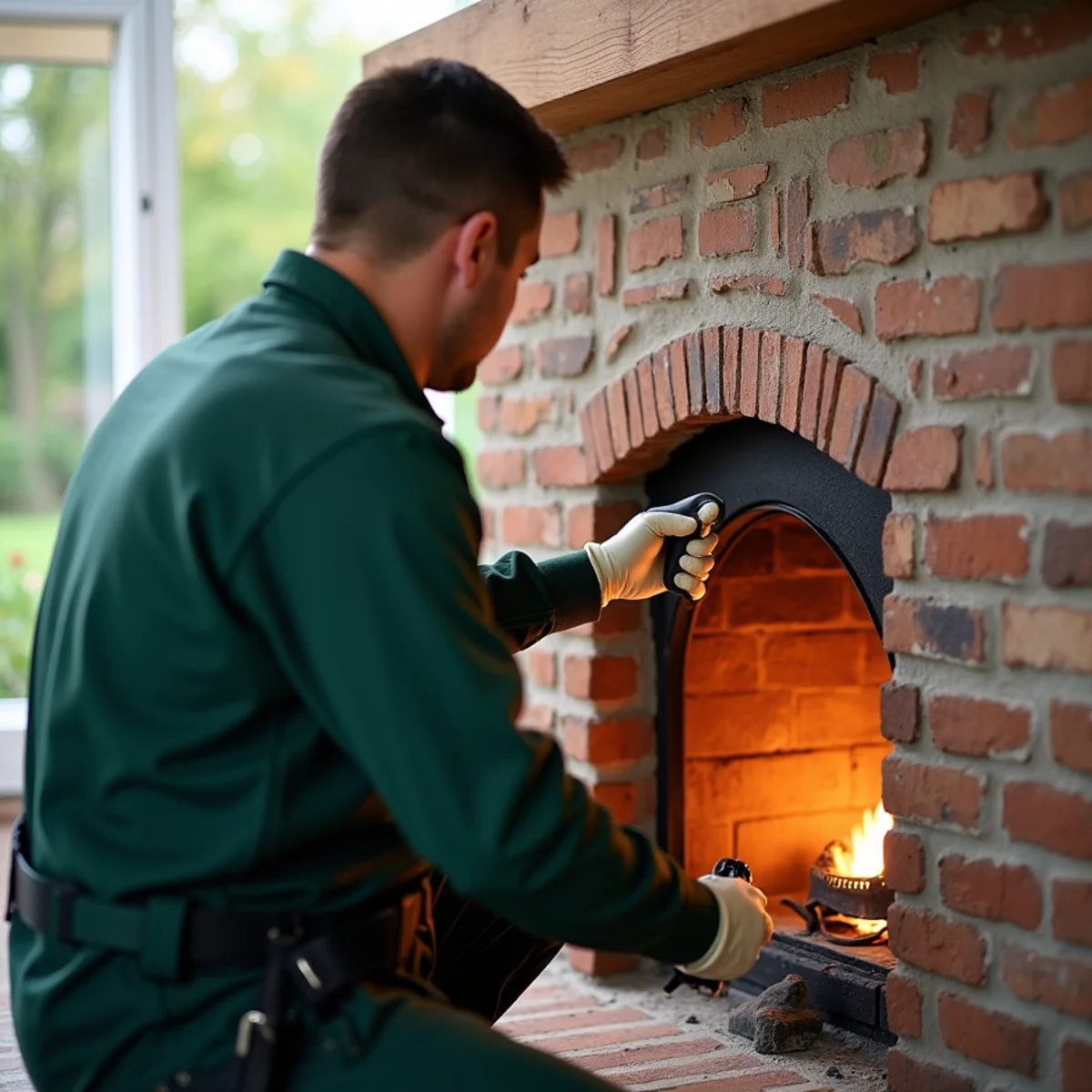
A bird trapped in a chimney introduces unseen biological risks into your household airflow. Birds carry parasitic bird mites (Ornithonyssus sylviarum) that crawl through damper gaps into carpets, pet beds, and upholstered furniture once their avian host dies or leaves. Additionally, accumulated bird droppings in warm, humid chimney flues foster Histoplasma capsulatum fungal spores, which cause severe respiratory histoplasmosis when inhaled.
After removing any trapped bird or abandoned nest, our certified technicians sanitize the firebox and smoke shelf using hospital-grade antimicrobial mists to neutralize bacteria, fungal spores, and parasite vectors.
Preventing Future Intrusions: Heavy-Duty Spark Arrestors and Stainless Steel Chimney Caps
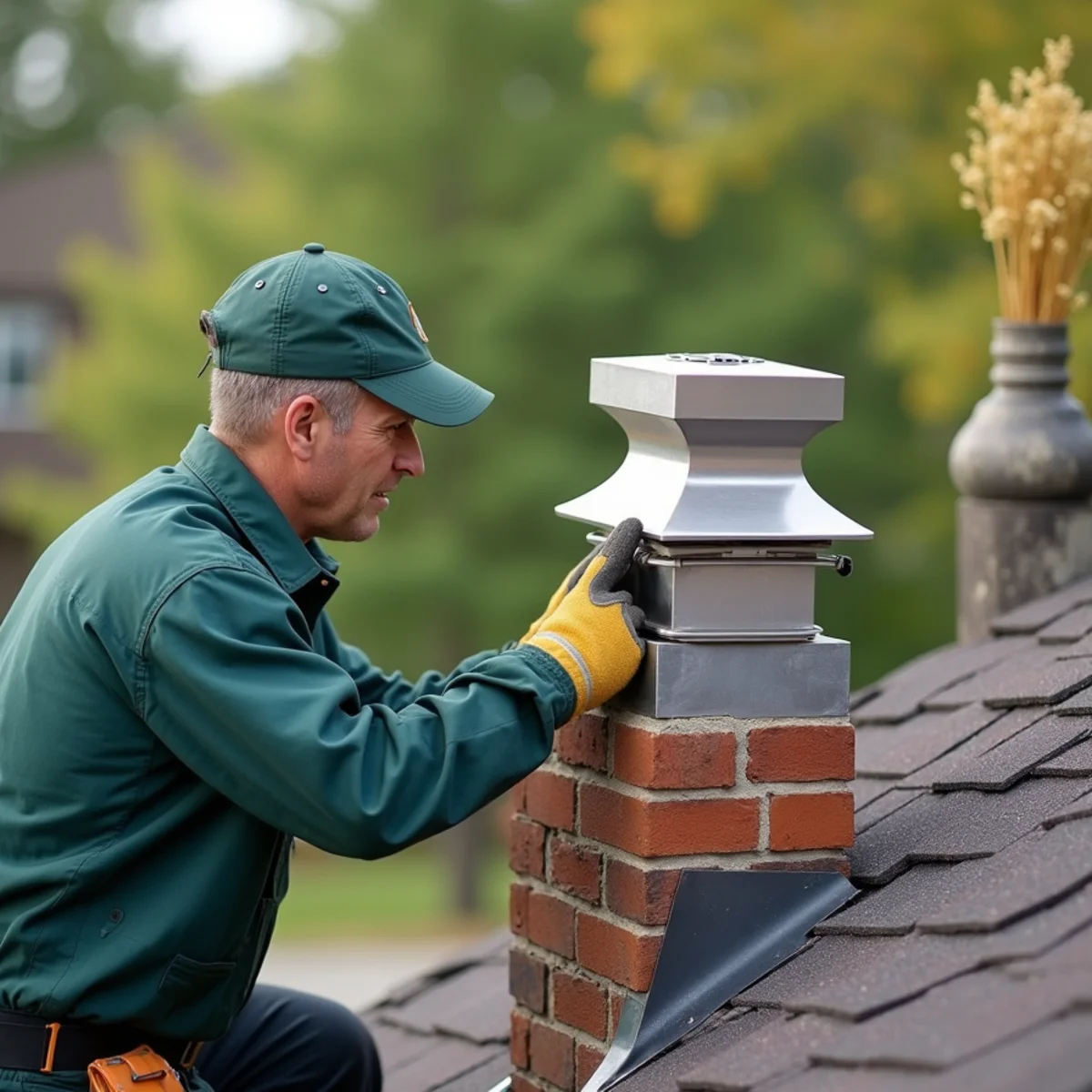
The only permanent solution to chimney wildlife intrusion is installing an engineered, animal-proof chimney cap. Uncapped chimneys or builder-grade wire mesh screens quickly corrode under Long Island's salty coastal air, allowing birds, squirrels, and raccoons easy access.
Sayonara Pest Control installs heavy-gauge 304 stainless steel or copper chimney caps featuring 3/4-inch spark arrestor mesh. These caps withstand hurricane-force winds, block wind-driven rain that causes masonry damper rusting, and physically bar all wildlife entry while maintaining optimal furnace and fireplace drafting.
Seasonal Nesting Timing and Federal Migratory Bird Treaty Act Protections
Homeowners must understand that Chimney Swifts are strictly protected under federal law (16 U.S.C. 703–712). In New York, it is a federal and state violation to destroy or remove an active chimney swift nest containing live eggs or dependent chicks without a specialized federal depredation permit.
If swifts are nesting in your chimney between May and August, the safest, legal approach is to close the damper securely and wait until the chicks fledge in late summer. Once the birds depart for their fall migration, our team thoroughly cleans the flue, removes abandoned nesting material, and seals the crown with a permanent cap before spring migrants return.
Chimney Bird Emergency Safety & Containment Steps
- ✓Keep the glass doors or mesh fire screen closed tightly to prevent the bird from fluttering into living spaces.
- ✓Never light a fire or use smoke bombs: Closed flues create toxic carbon monoxide inside your home and burn the bird alive.
- ✓Turn off ceiling fans and room lighting to keep the bird calm behind the fireplace damper.
- ✓Close all interior doors leading to other rooms, creating a sealed extraction zone around the hearth.
- ✓Wear heavy leather gloves and eye protection if opening the glass doors to inspect the firebox.
- ✓Call professional wildlife extraction technicians to safely remove the bird and install animal-proof chimney caps.
Advice from Our Melville Field Operators
Chimney swifts are federally protected under the Migratory Bird Treaty Act, meaning active nests containing eggs or flightless chicks cannot be legally removed until the fledglings leave in late summer. However, European starlings and sparrows frequently fall down smooth flue liners and become hopelessly trapped in the throat damper above the smoke shelf. Never light a fire thinking smoke will drive them up—trapped birds cannot fly vertically through narrow flue drafting, and you will fill your living room with thick soot and dangerous carbon monoxide. Keep the damper shut and let us extract the bird safely.
Frequently Asked Questions
Why can't the bird simply fly back up and out of the chimney?
Most birds, including starlings and songbirds, require horizontal takeoff space to generate lift. In a narrow, vertical chimney flue measuring only 8x8 or 12x12 inches, they cannot open their wings fully and are unable to fly straight upward against slick clay flue walls.
How long can a bird survive trapped in a chimney damper?
Without food and water in the dry, soot-filled environment of a chimney flue, trapped birds rarely survive more than 48 to 72 hours. Dehydration and heat exhaustion set in rapidly, making prompt professional extraction essential.
Can bird mites bite humans if a bird dies in the fireplace?
Yes. When a bird dies in a chimney, thousands of microscopic bird mites abandon the carcass seeking another blood meal. They migrate through damper crevices and can bite occupants, causing intense itching and skin dermatitis.
What type of chimney cap is best for Long Island homes?
We recommend 100% 304-grade stainless steel chimney caps with 3/4-inch expanded metal mesh. Unlike galvanized steel, stainless steel will not rust or discolor your chimney brick when exposed to Long Island coastal salt air.
About Sayonara Pest Control
Based at 445 Broadhollow Rd, Suite 25 in Melville, NY, Sayonara Pest Control provides licensed extermination and humane wildlife trapping across Suffolk County, Nassau County, and NYC. Our focus is root-source elimination through Integrated Pest Management.